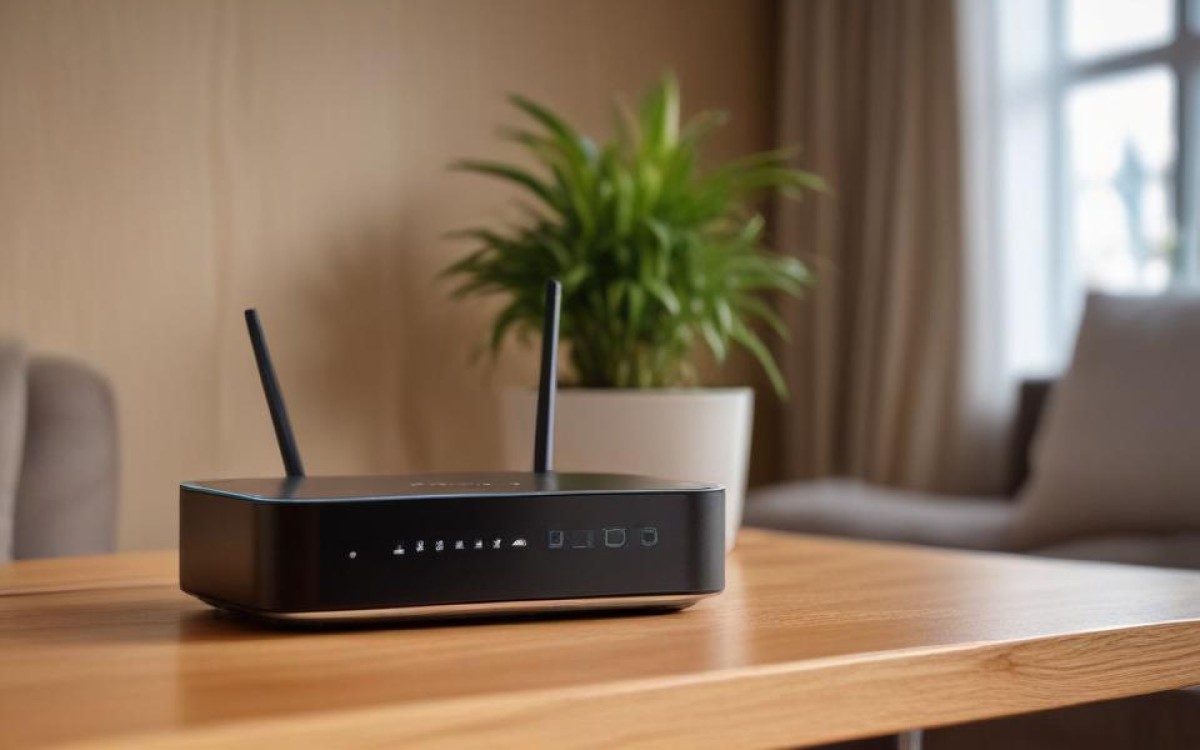
Things to consider when choosing internet-only plans

Things to consider when choosing internet-only plans

Most telecom companies offer homeowners bundled internet packages. These packages include not only an internet connection but also TV cable streaming, a phone line, OTT subscriptions, security software, and cloud storage. While these all-inclusive bundles have benefits, they’re not for everyone. Those who need just reliable internet for streaming, work, and calls, and nothing more, can buy standalone internet plans from their provider.

What to consider when choosing standalone internet plans

Internet-only plans are more affordable. They are also a smarter choice for those who already have access to TV streaming, OTT subscriptions, and other services included in bundles. Still, researching thoroughly and considering a few factors when buying a standalone internet plan is important.

Speed and usage patterns

The internet speed individuals need depends on their usage. Casual web browsing and sending and receiving emails require far less power and bandwidth. So, a slower plan can suffice in this case. However, 4K streaming, video conferencing, and gaming require a fast connection to prevent buffering and lag.

Type of internet connection

The internet can be delivered to homes with either coaxial or fiber optic cables. Coaxial cables use a slightly older technology that offers lower speeds. Fiber cables, on the other hand, are much more advanced, capable of delivering high speeds and lower latency.

Individuals can also go in for wireless internet, especially in areas with limited wired infrastructure. Wireless connections may vary in network strength and consistency.

Availability and local coverage

Not all internet providers serve every neighborhood. Finding out which providers operate nearby can save time when searching for reliable, cheap internet providers. However, individuals should note that even if they find a good telecom company willing to provide a connection to their home, network quality can vary depending on local infrastructure and congestion levels.

Reliability and network performance

Frequent outages, slowdowns during peak hours, and unstable connections can disrupt work, streaming, and other online activities. That’s why individuals must ensure the company they choose provides a steady, reliable connection and addresses service complaints promptly.

Pricing, fees, and contract terms

Apart from the basic cost of a standalone internet line, individuals may have to pay for installation and setup. In some cases—especially if they prefer a wireless connection—they may also have to buy a router. All of these costs should be considered when comparing plans and providers. Another thing to check is the contract term. Some standalone internet plans offer no-contract flexibility, while others require long-term commitments.

Standalone internet providers

Many providers offer internet-only plans nationwide, but some are more popular for their services.

T-Mobile Home Internet

This provider offers cheap cable and wireless internet-only options. Its pricing structure is straightforward, with no-contract options easily available. Typically priced at $40–$50/month, plans deliver speeds ranging from about 87 Mbps to 415 Mbps on T-Mobile’s 5G network. This provider is appealing for households with moderate streaming, browsing, and work-from-home demands.

AT&T Internet

This provider offers standalone internet services with multiple connection options, including fiber optic and high-speed DSL. AT&T Internet offers network speeds ranging from mid-hundreds to multi-gigabit in fiber markets. Individuals can choose from various unlimited data plans with no annual contract required.

Comcast Xfinity

Like the other two, this provider’s standalone internet plans remain popular for their wide coverage and multi-tiered speed options. The plans begin with cheap introductory offers and let clients scale up their internet to gigabit speeds. Comcast Xfinity’s internet-only plans come with perks like optional price locks and no contracts. They’re a decent choice for those who want high-speed home broadband without expensive TV or phone bundles.

Popular Reads

Samsung Galaxy Watch 2026 – Top Features To Expect

Samsung Galaxy Watch 2026 – Top Features To Expect

Over the last several years, smartwatches have become an essential device for many people. From checking the time to tracking fitness goals and receiving notifications for emails and messages, smartwatches have made daily life more convenient. Samsung is taking smartwatch usability to the next level with the launch of the new Samsung smartwatch 2026, also known as the Galaxy Watch Ultra 2. This new lineup is expected to improve health tracking, battery life, and AI features for Android smartwatch users, enabling better, more active, connected lifestyles. Galaxy Watch 2026 lineup: What to expect The 2026 Samsung smartwatch range is expected to include the Galaxy Watch 9 (the flagship model), the Galaxy Watch 9 Classic, and the rugged Galaxy Watch Ultra 2. The latest models are expected to feature the same core hardware and software. This will offer a more consistent and seamless experience across Samsung’s Android wearable range. Key upgrades Design and display The Galaxy Watch Ultra 2, also known internally as the Galaxy Watch 9 Ultra, is expected to retain the 47 mm titanium case and 1.5‑inch circular Super AMOLED display from the previous Ultra smartwatch model. But there might be a few design changes to the bezel, lugs, and button layout.
Cell phone provider deals – Tips to choose and top offers

Cell phone provider deals – Tips to choose and top offers

With many carrier brands and plans available today, finding the best phone provider deals can feel overwhelming. There are several factors to consider, including the prices, data limits, and promotional offers. Since these details change frequently, it can be challenging to determine which options provide genuine value. That said, with some research and the right approach, it is possible to find plans that meet both usage needs and budget. Tips to find phone provider deals Check for the coverage and network functionality Before looking for cheap phone provider offers, it is important to first confirm which networks work well in the particular area. After all, a phone plan is only useful if calls connect properly and mobile data functions seamlessly. A great deal may not be worth the value if calls drop or data speeds are subpar.  The simplest way to find out which networks perform well in a specific location is to check coverage maps. Most carriers provide coverage maps on their websites, which can give an idea of their service quality, especially for 5G coverage. Apart from this, one can also refer to coverage maps from the FCC (Federal Communications Commission) to compare the coverage offered by major networks side by side.  Keep in mind that these maps might not show small dead zones.
Home internet – Types of plans and popular service providers

Home internet – Types of plans and popular service providers

High-speed internet is often necessary in homes where multiple family members are online, whether working remotely, streaming shows, or attending virtual classes, at the same time. But with so many plans and service providers available, choosing an option can get tricky. An effective way to simplify the decision is to break it down into two steps. First, select a plan type (such as fiber, cable, or wireless 5G) and, second, shortlist the top internet service providers in the location. Types of home internet plans There are different types of plans, each with different costs, features, and speeds. A home internet plans comparison can help individuals understand which option is the most suitable. Fiber A fiber-optic connection can deliver high-speed internet with minimal lag. However, its availability is generally limited to cities and urban neighborhoods that have the infrastructure needed for installation. Companies like Verizon Fios, AT&T Fiber, Google Fiber (GFiber), and Frontier Fiber are known for offering fiber internet. Individuals can consider this plan if they need a connection for working from home, sharing large files, performing cloud backups, or streaming from multiple devices at the same time.  Cable Cable internet is a popular choice, as it is available almost everywhere, including remote towns and suburbs.